
Ulster Bank in Garvagh and Some Of Its Changing Bank Managers Over the Years
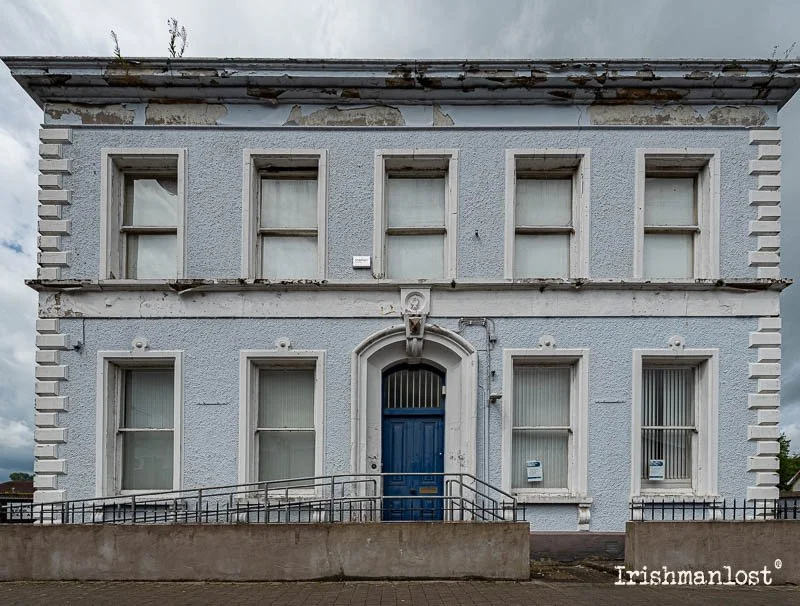
In the idyllic village of Garvagh, nestled in the heart of County Londonderry, Northern Ireland, stands a poignant reminder of a bygone era - the Ulster Bank. This unassuming building, once a bastion of financial stability and a hub of community interaction, now stands as a silent witness to the passage of time and the changing faces of its bank managers who, throughout the years, have woven its story into the fabric of the village's history.
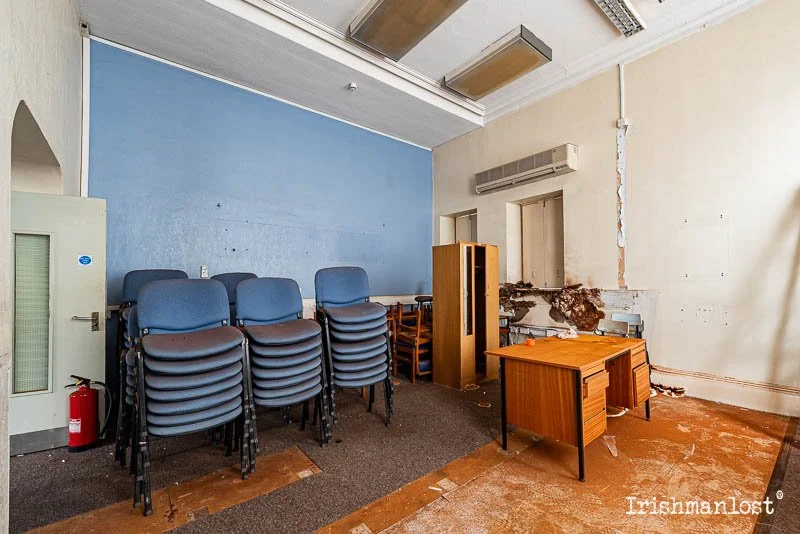
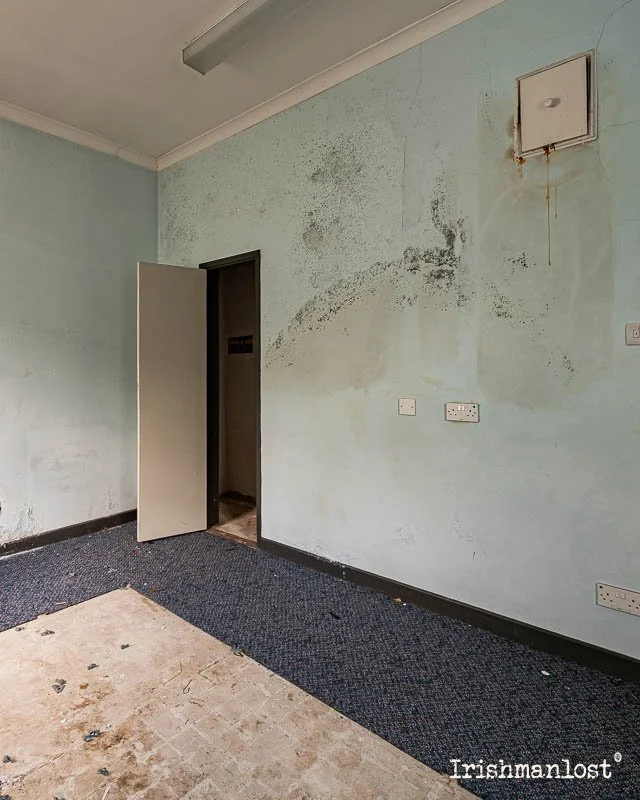
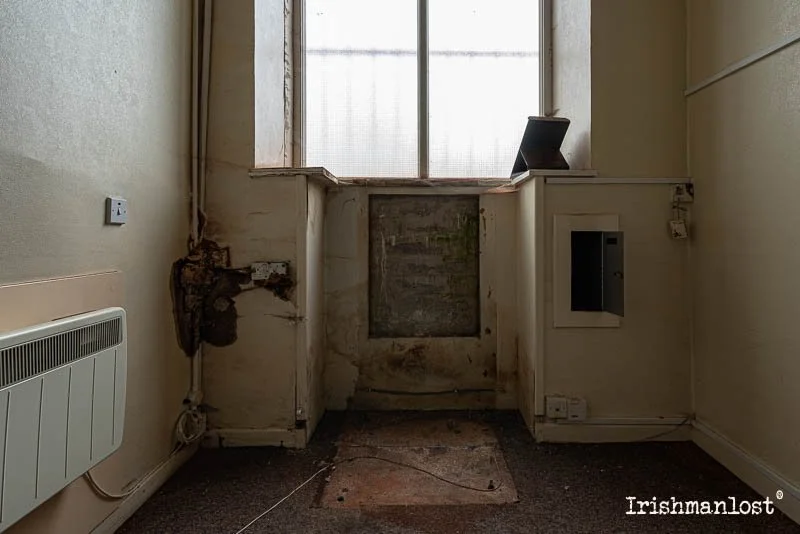
Inside where the counter & teller’s would have been

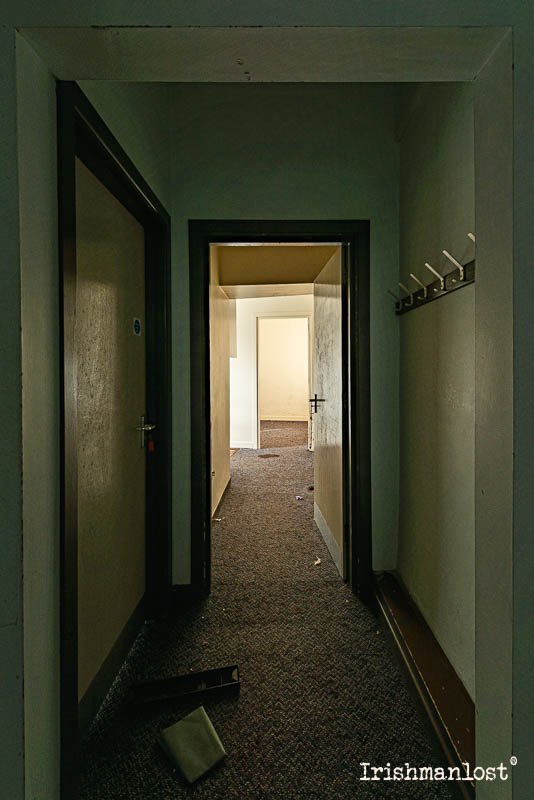
Inside the front of the bank
The chronicles of the Ulster Bank in Garvagh are interwoven with the narrative of the village itself. Emerging in the 19th century, this financial institution catered to the financial needs of local families, traders, and farmers. Its grand Victorian architecture, standing as a sentinel of permanence amidst economic uncertainties, mirrored the bank's role as a guardian of stability in the community.
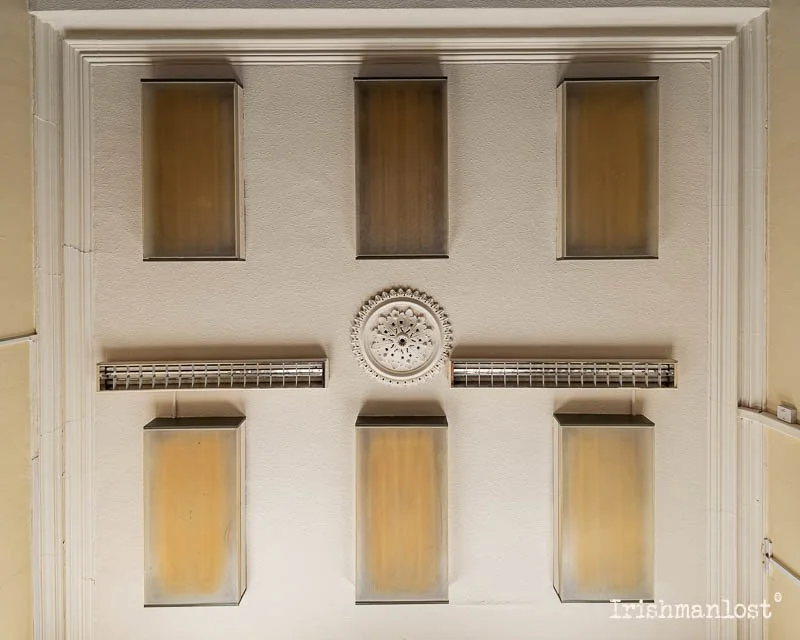
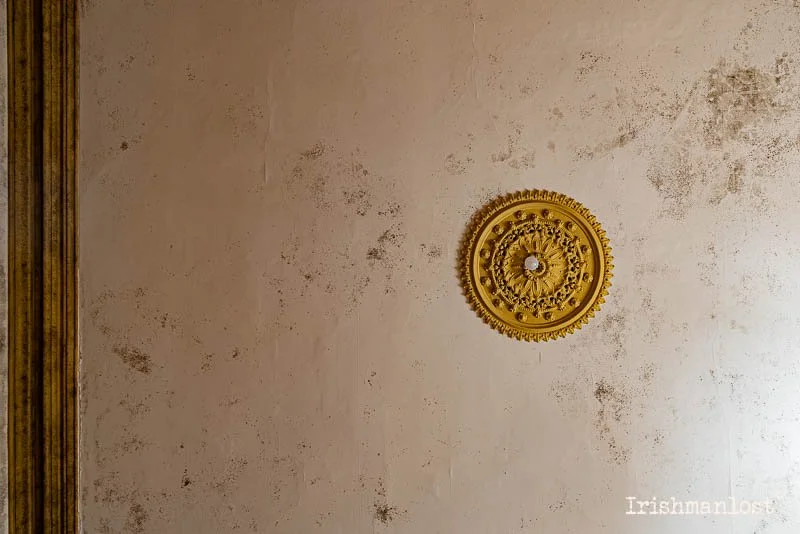
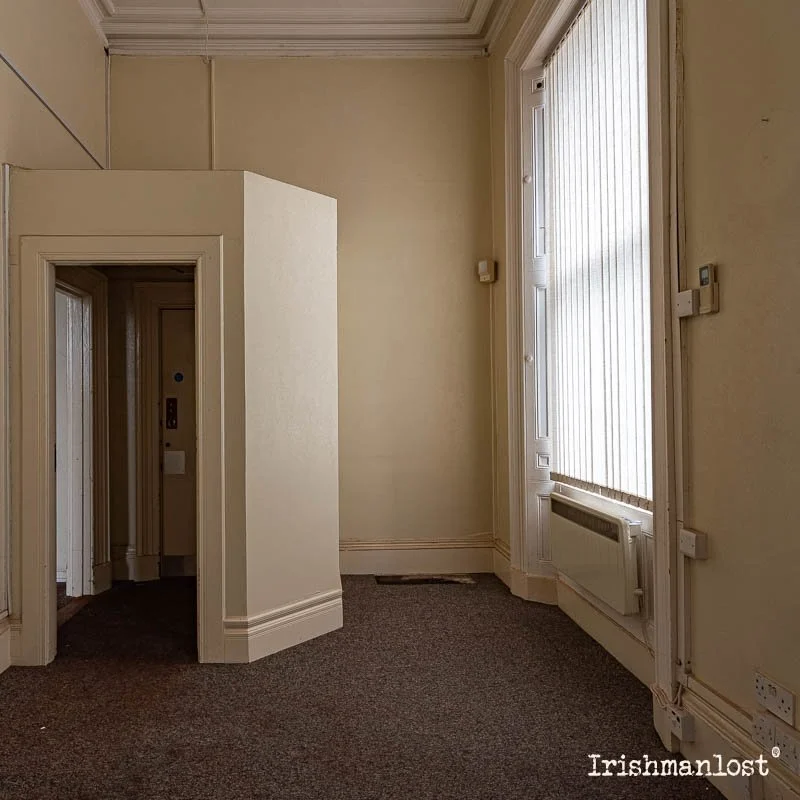
Some of the Victorian Details still remain
Over time, the bank metamorphosed into more than just a repository for financial transactions. It metamorphosed into a communal epicenter, a place where residents congregated to exchange news, debate local matters, and forge connections. Beyond being a mere financial institution, the Ulster Bank became the emotional cornerstone of the village.
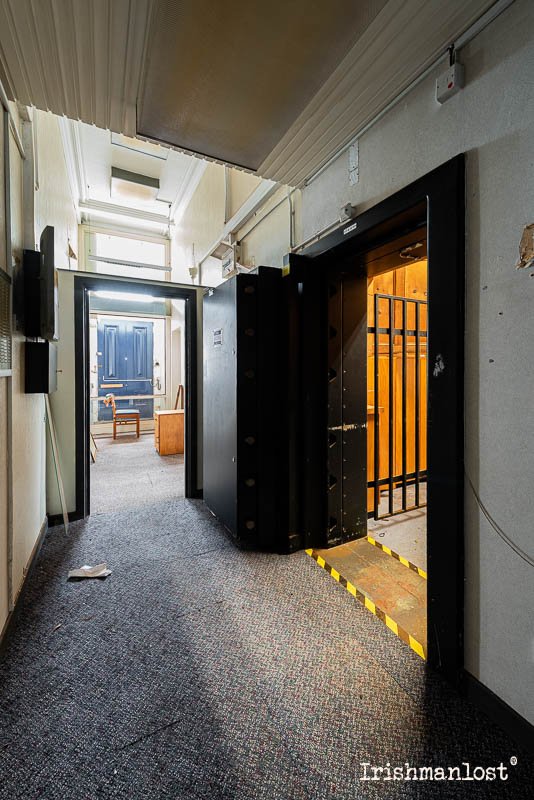
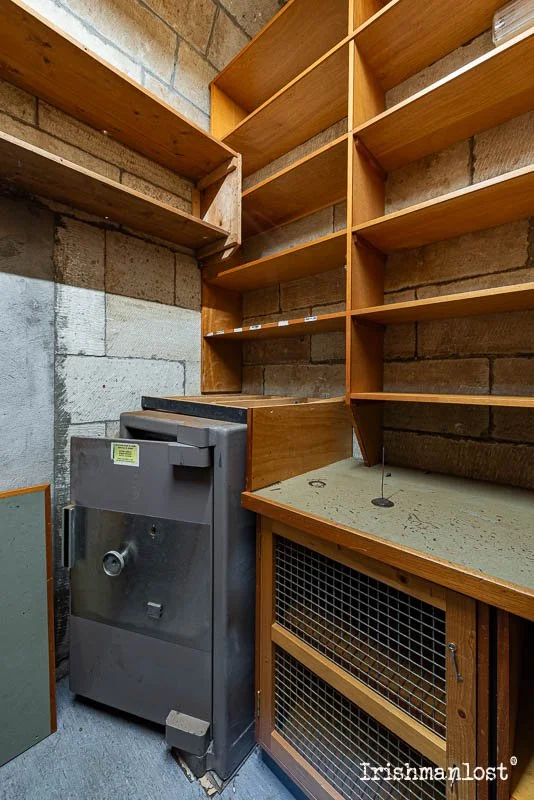
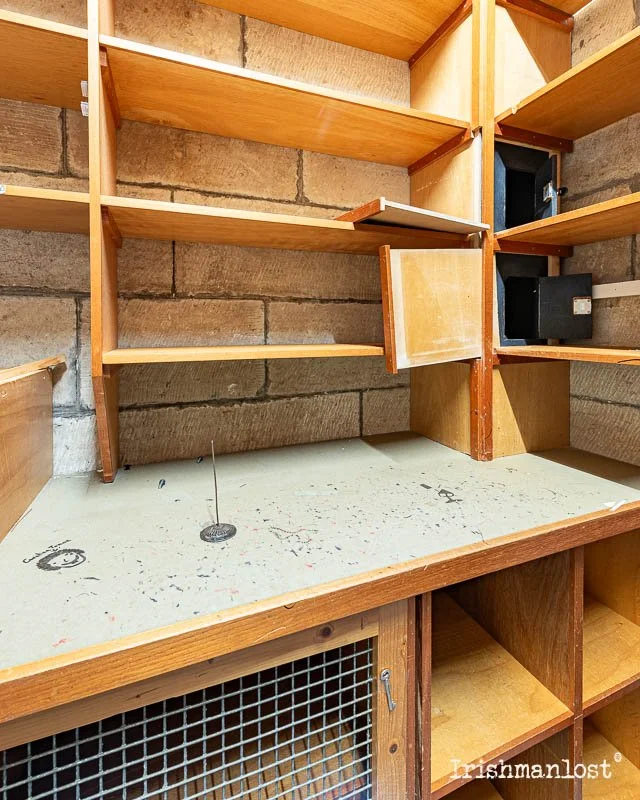
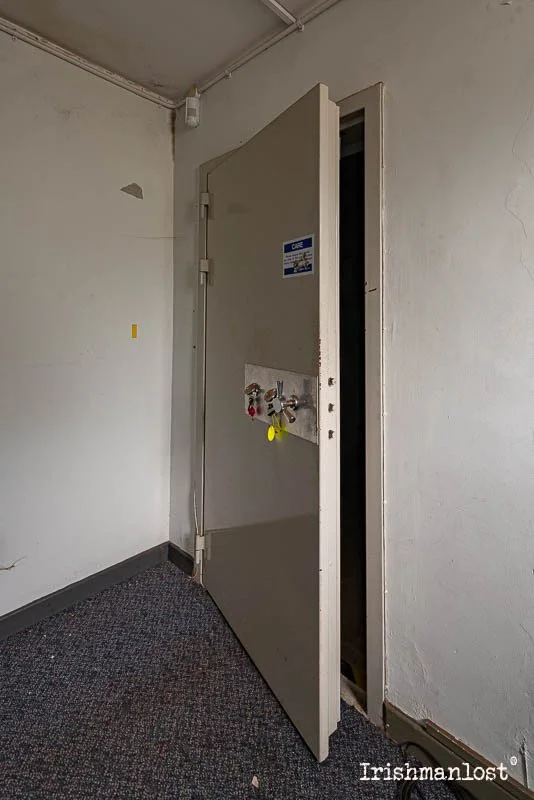
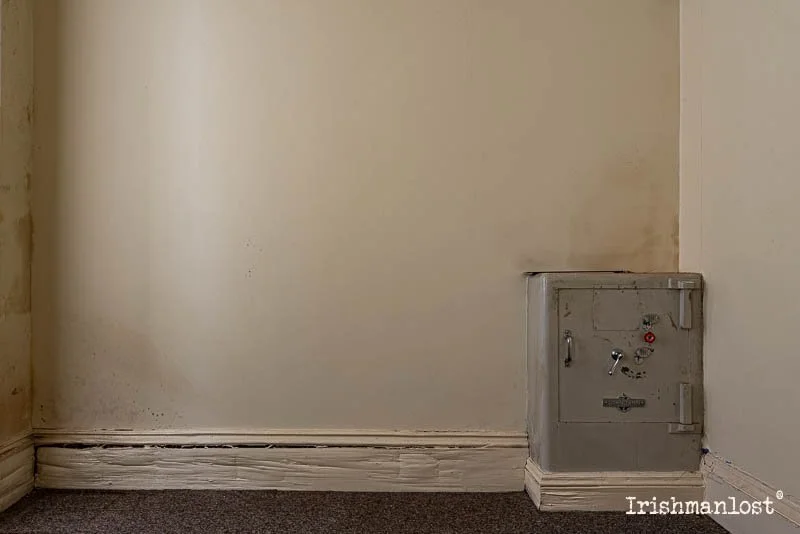
The Main Bank Vault
Central to the Ulster Bank's essence were the bank managers who not only managed its operations but also nurtured connections with the village's denizens. Each manager's tenure added a distinctive stroke to the bank's evolving canvas, creating a legacy that resonated through the ages.
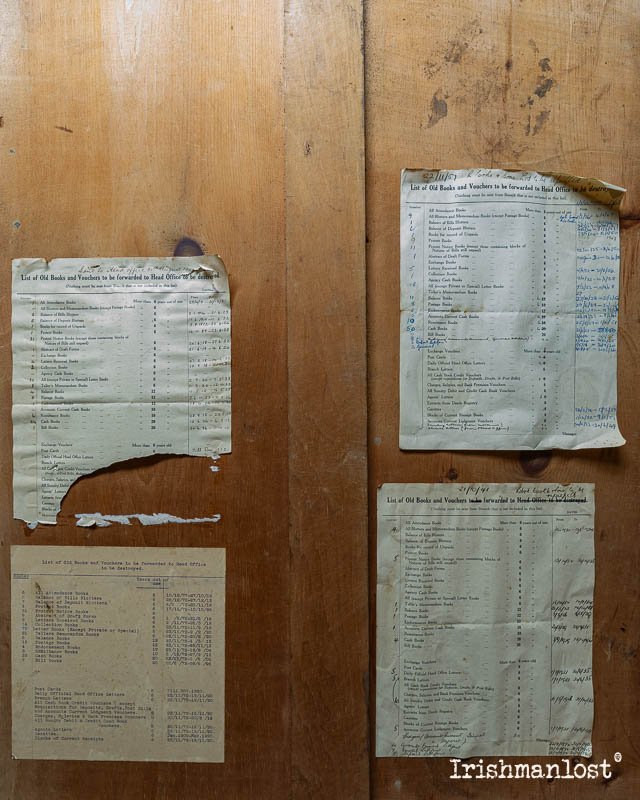
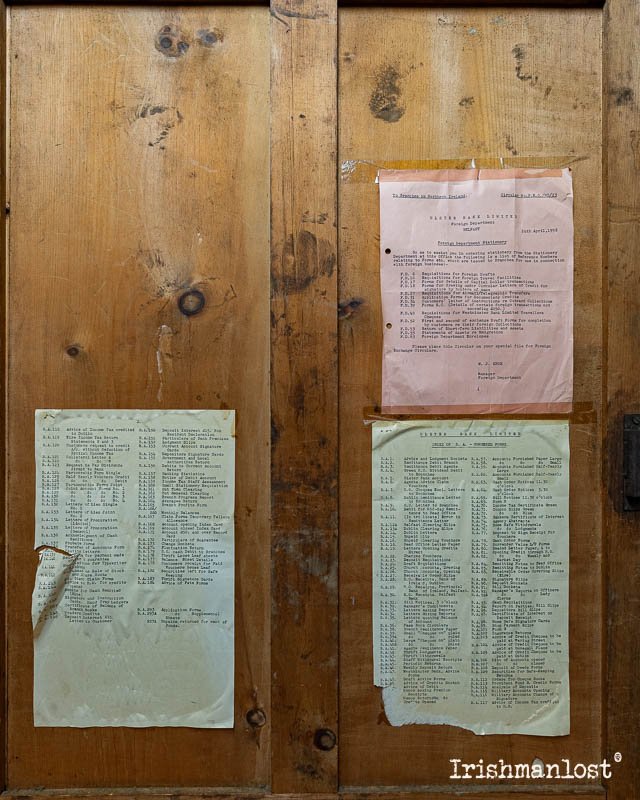
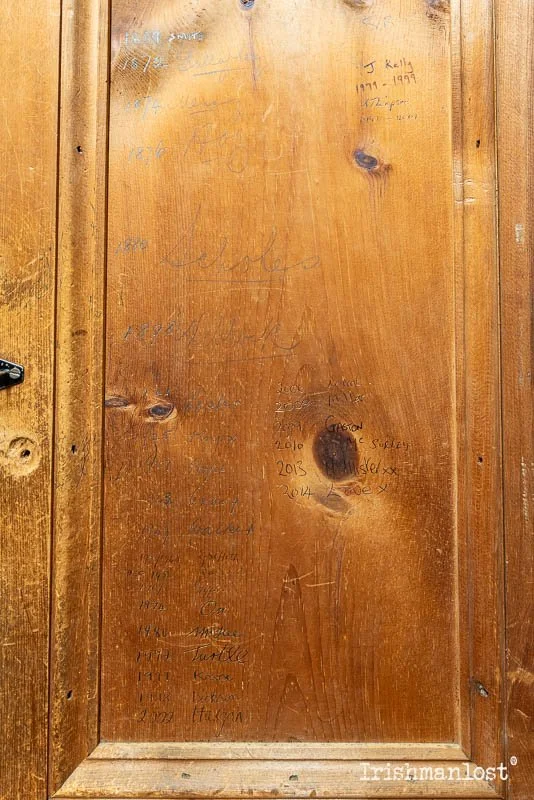
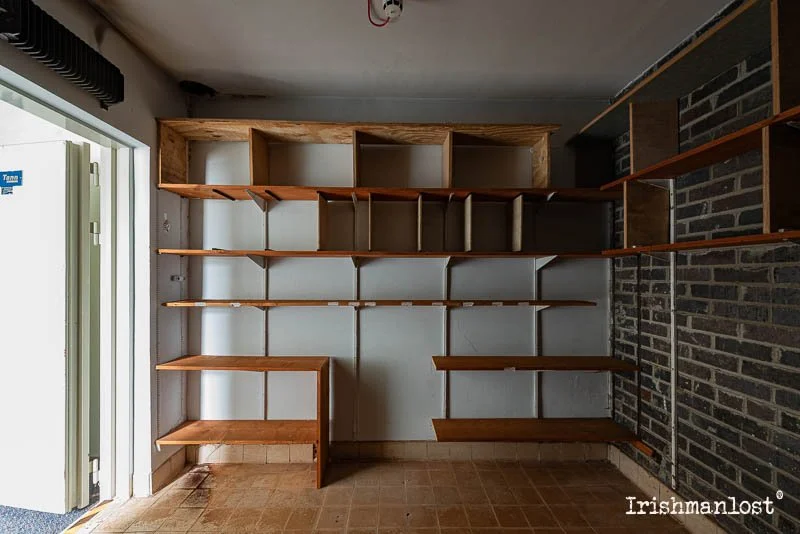
Names of Former Bank Managers written into the cupboard door inside the main bank vault going as far back as the opening of the bank in 1872
In its early days, the bank was overseen by James T Gallogly, its inaugural manager, and subsequently by David Hoy, who would ascend to the position of bank director. The chain of management continued with figures like John Niblock, who assumed the role in 1898. Interestingly, the 1911 census records Niblock's residence at the bank along with his family, a dwelling that boasted fifteen rooms and was designated as a first-class abode.
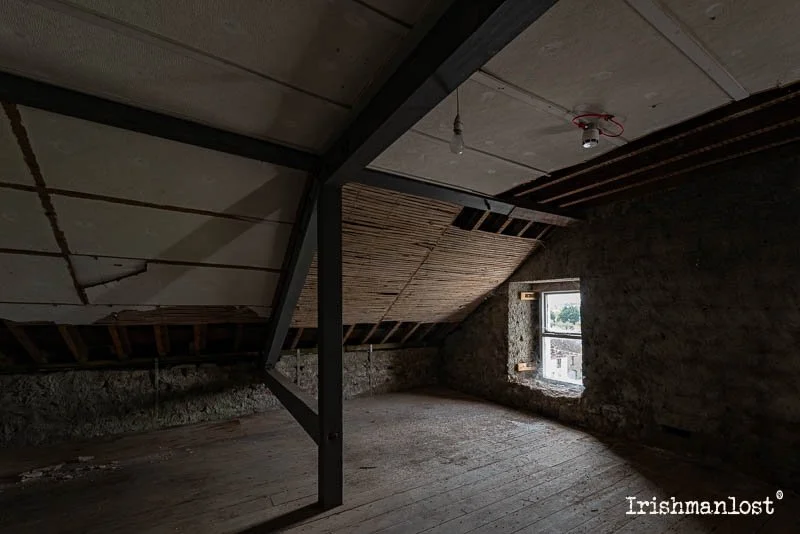
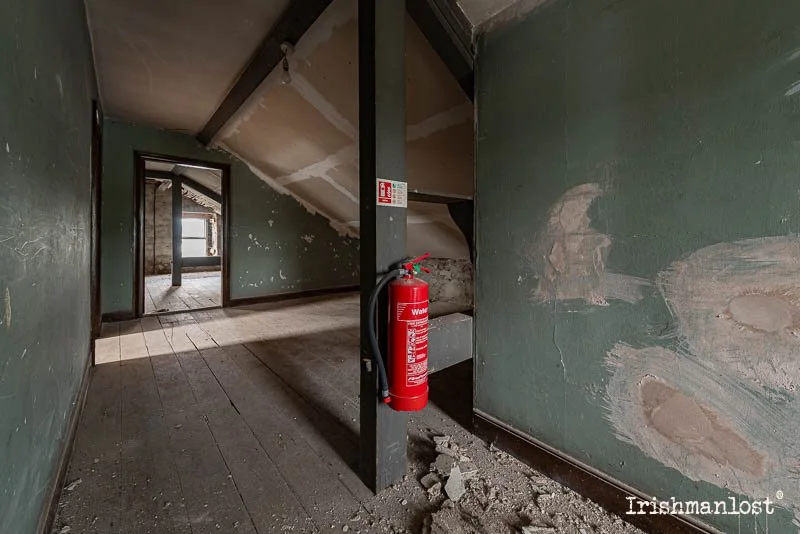
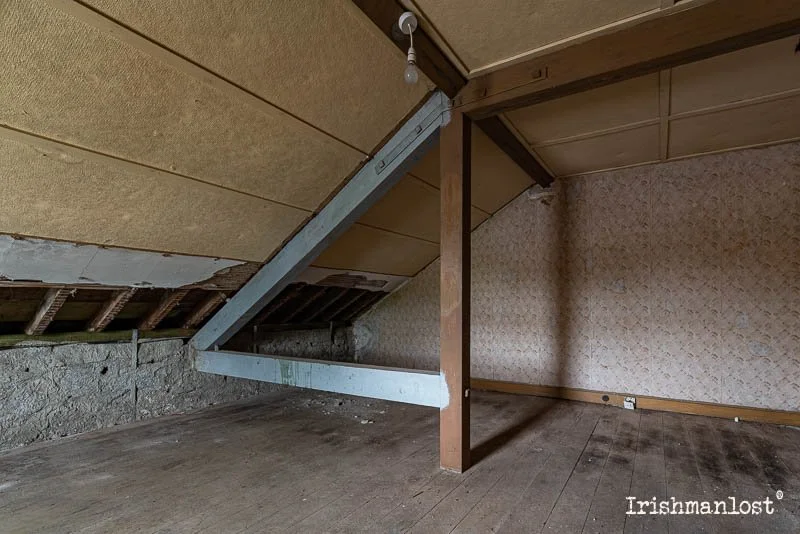
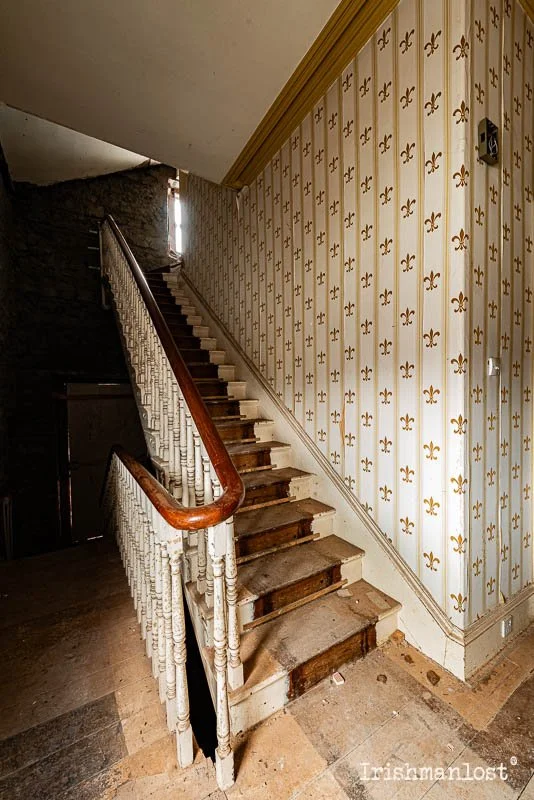
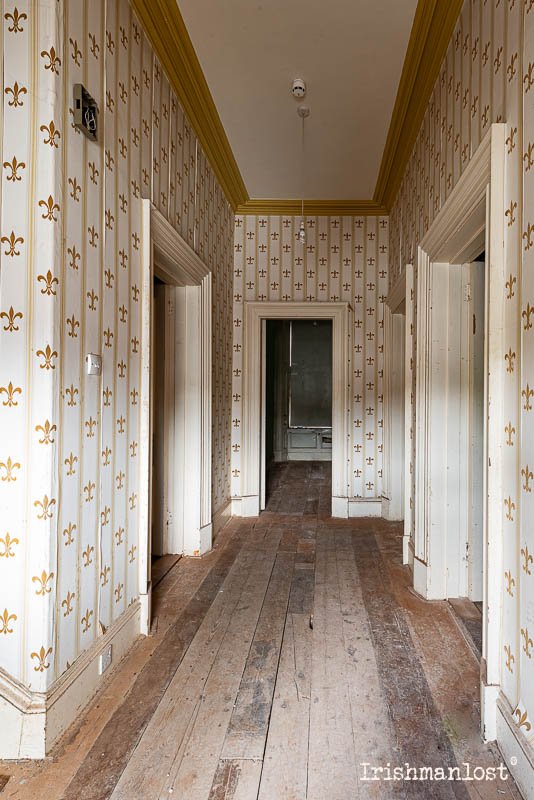
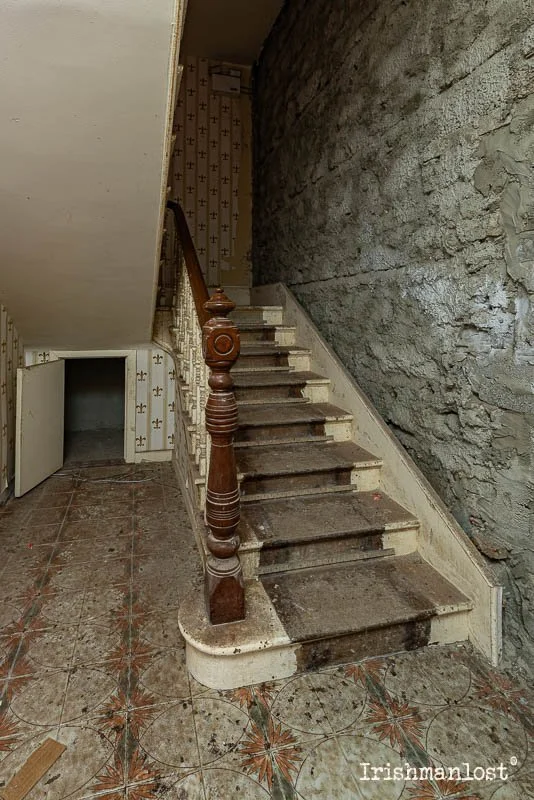

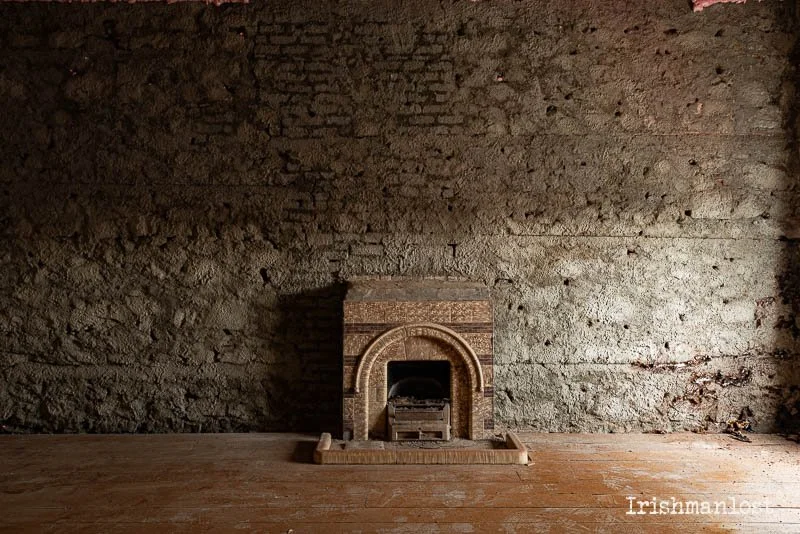
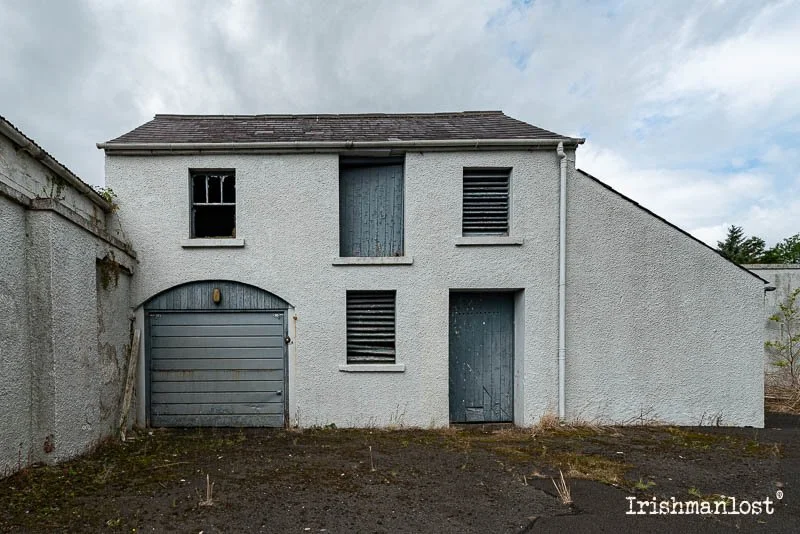
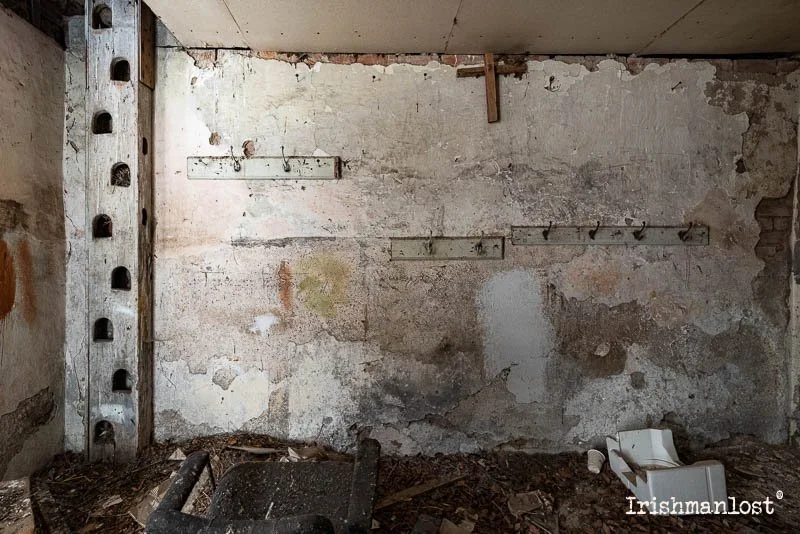
The architectural layout of the bank is detailed in the valuer's notes from the First General Revaluation spanning from 1933 to 1957. These documents outline the spatial arrangement of the establishment, encompassing areas such as the general office, manager's office, strong room, and lavatory. The manager's dwelling, an integral part of the premises, featured three reception rooms, seven bedrooms, a box room, a bathroom, and a WC. Additionally, the bank complex included rear returns, a scullery return, stables, and a coal shed within its yard.
George O'Connor (1960s - 1970s): Among the earliest bank managers, George O'Connor embodied a stern exterior and a compassionate core. His stewardship witnessed the transition from manual ledger entries to computerized banking. In the face of technological shifts, O'Connor prioritized the personal element that characterized the bank, forging relationships with customers that extended beyond financial matters. He etched their financial preferences and life events into his memory, cementing an intimate bond.
Lillian Hughes (1980s - 1990s): Lillian Hughes etched her name in history as Garvagh's first female bank manager. Her appointment marked a milestone, symbolizing evolving societal norms and the bank's commitment to inclusivity. Hughes brought empathy to her role, nurturing connections by supporting local charities and initiatives. This outreach transformed the bank into an even more integral facet of the community.
John McConnell (2000s - 2015): John McConnell's tenure was defined by the global financial crisis, which reverberated even in the tranquil ambiance of Garvagh. During this testing period, McConnell's role transcended banking to encompass supporting local businesses facing economic adversity. His guidance and support solidified the bank's ties to the community, echoing its traditional role as a beacon of stability.
As the 2010s merged into the 2020s, banking underwent an irreversible transformation. Online banking, digital transactions, and fintech innovations altered the landscape, inevitably impacting the Garvagh branch of the Ulster Bank.
With the rise of online banking, foot traffic waned, and the personal connections that defined the bank began to fade. Bank managers, the bridge between the institution and the community, grappled with preserving connections in an era of rapid digitization.
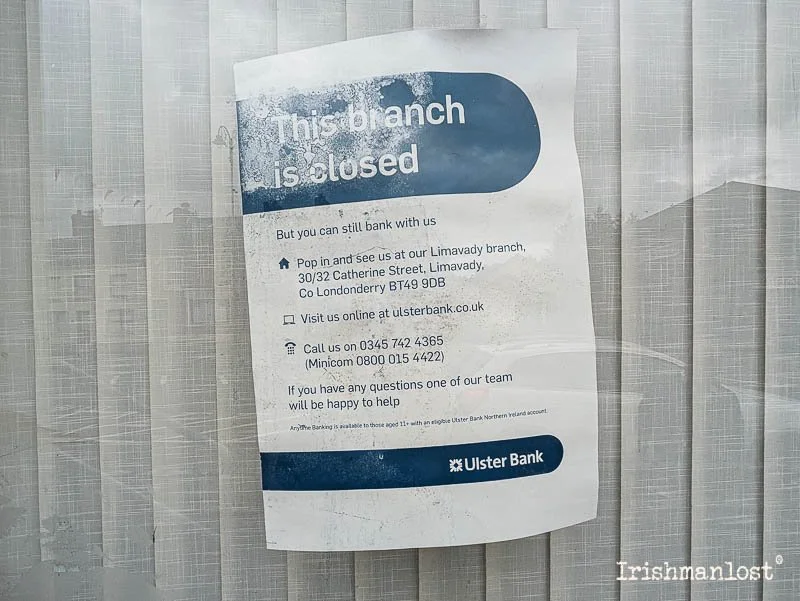
In an emotionally charged culmination, the Ulster Bank in Garvagh announced its closure in 2021. The news was met with a cocktail of nostalgia, sorrow, and acceptance from the villagers. The bank, an unwavering presence across generations, was bowing out, leaving behind an indelible legacy woven into the village's tapestry.
Emily Wilson, the final bank manager, shouldered the solemn responsibility of overseeing the branch's closure. Hailing from Coleraine, a neighboring town, Wilson understood the emotional bond villagers had with the bank. She painstakingly managed the transition, guiding customers toward alternative banking avenues while reassuring them that the bank's communal spirit would not vanish entirely.
As the doors of the Ulster Bank in Garvagh were shuttered for the last time, the building assumed the role of a silent sentinel, bearing witness to over a century of financial transactions, personal interactions, and shared experiences. The legacy of the bank managers, custodians of community connections, endures in the memories of those who traversed its thresholds.
The narrative of the Ulster Bank in Garvagh mirrors broader shifts in the banking industry and their ramifications for local communities. It underscores the delicate equilibrium between tradition and innovation, personal bonds, and digital convenience. While the bank may stand abandoned, its legacy thrives through the anecdotes exchanged by villagers, safeguarding the ethos of a bygone era.
Ultimately, the Garvagh branch of the Ulster Bank imparts a lesson that the worth of a bank transcends financial transactions. It revolves around bonds formed, connections nurtured, and a sense of belonging instilled within a community. As technology shapes the future of banking, it's crucial to remember that the soul of banking doesn't reside solely in numbers, but in the individuals it serves.
